


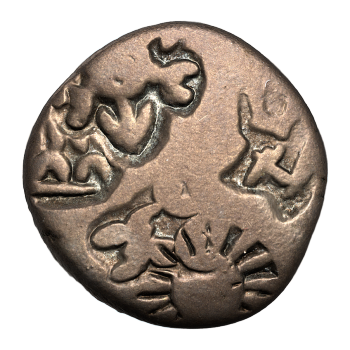
Silver Tapping of Karshapana during the Peacock Dynasty
Karshapana is a silver currency in ancient India, which first appeared around the 6th century BC. They are usually issued by merchants and bankers, not by the state. These coins usually have one to five or six symbols, initially only stamped on the front of the coin. During the Peacock Dynasty (approximately 322-185 BC), the Kalshapana coin was widely used. The weight of these coins is usually around 3.4 grams. Coins usually have symbols such as the sun on them. These silver struck coins ceased to be minted in the 2nd century BC and continued to have a wide-ranging impact on trade and economy for the next five centuries.

Sandstone slabs carved with pine fish in the Middle Ages
This is a carved sandstone slab depicting Matsya, the first incarnation of the Hindu god Vishnu. In many legends, the pine fish is described as the ancestor Manu who saved humanity from the Great Flood. This sculpture was made in the 9th and 10th centuries. This sculpture is currently on display at the Medieval Europe Gallery (G33/od) of the British Museum.

Ancient Indian marble temple columns
This marble temple column originated from the Jain temple in ancient India, where Jainism is an ancient religion and its community mainly engages in commercial and banking activities. This cultural relic is currently housed in the British Museum.

Popular Models

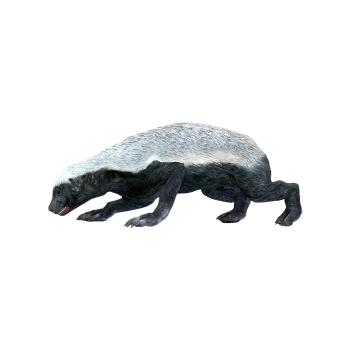
Honey Badger (3D animated model)
194 View
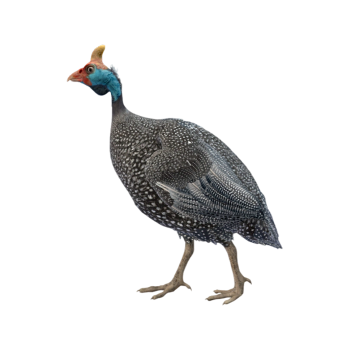
Guinea fowl (3D animated model)
165 View
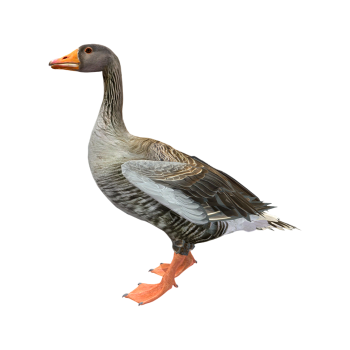
Wild Goose (3D animated model)
187 View

Red Fox (3D animated model)
155 View
Random Model
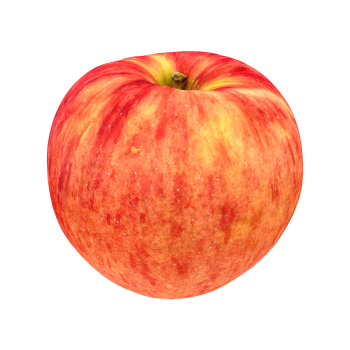
Jin light apple
713 View

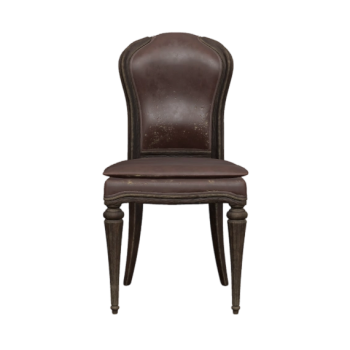
Vintage Dining Chair
529 View
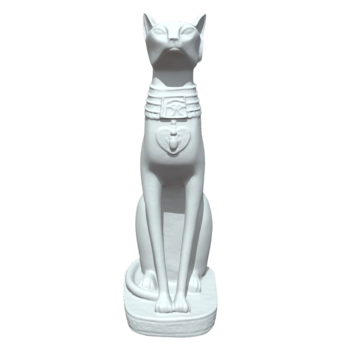

Lupine
515 View


green slippers
496 View

BMW 3 Series Travel Edition
776 View
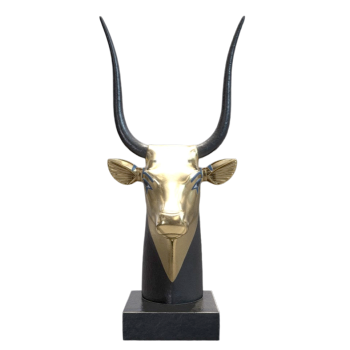
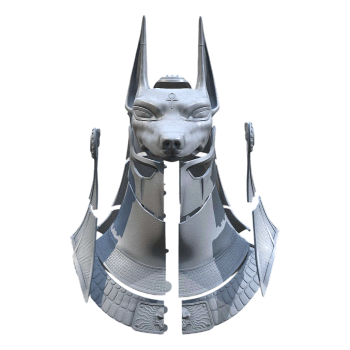
Hathor's head image (3D printable)
544 View